
In short: The Colombo Port City Economic Commission Act, No. 11 of 2021 turns Port City into a Special Economic Zone with its own regulator, the Colombo Port City Economic Commission. Only licensed Authorised Persons may do business there, investments must be made in foreign currency, incentives are limited to approved Businesses of Strategic Importance, and disputes with the Commission go to arbitration. The Act was significantly amended in January 2026.
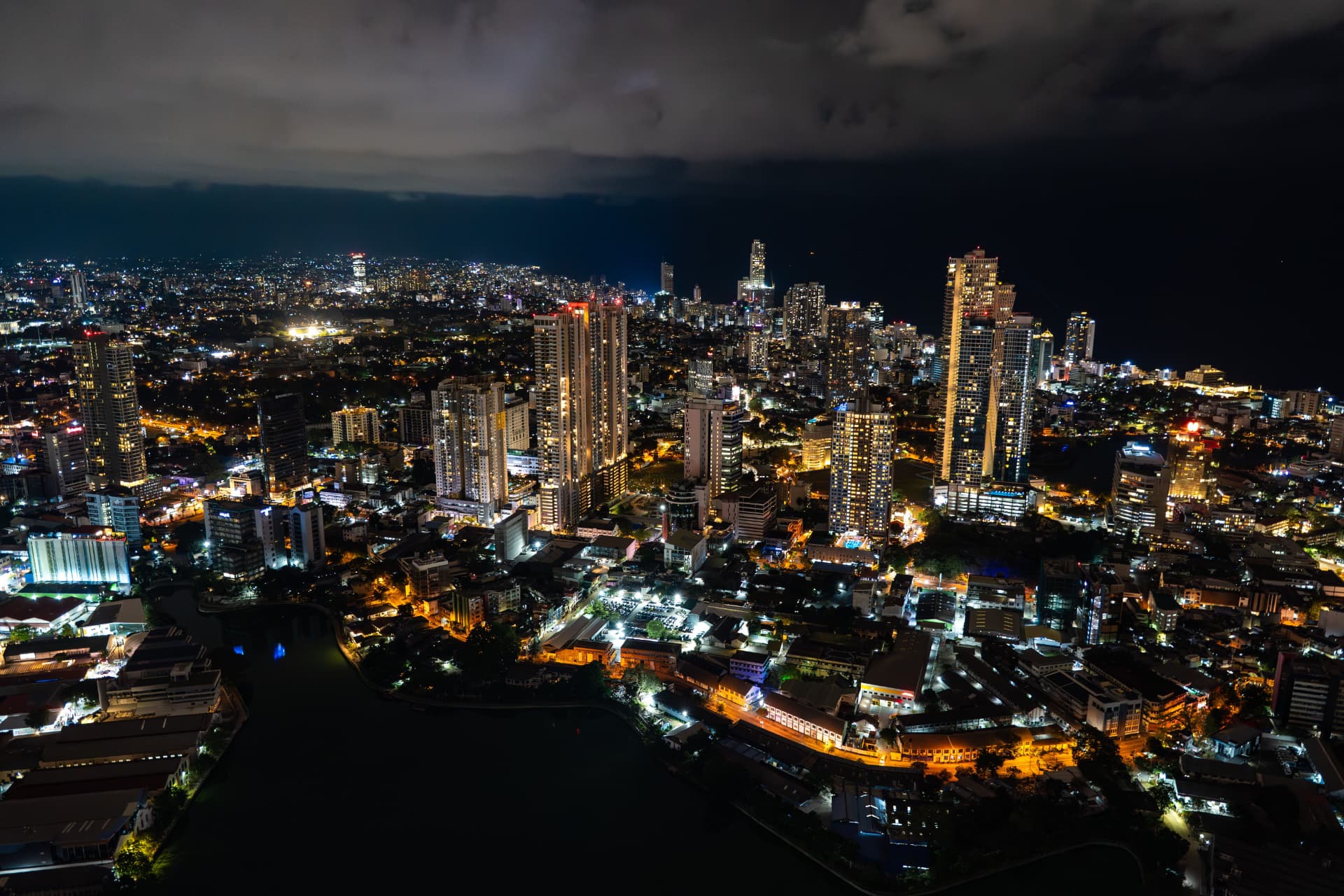
Colombo Port City is reclaimed land next to Colombo's central business district, designed as an international business and services hub. Its legal foundation is the Colombo Port City Economic Commission Act, No. 11 of 2021, certified on 27 May 2021 and amended by the Colombo Port City Economic Commission (Amendment) Act, No. 1 of 2026. This guide explains, in plain language, what the Act does and what it means for businesses and investors.
What does the Port City Act do?
The Act does four main things:
- Creates a Special Economic Zone: the Colombo Port City Special Economic Zone, with boundaries set out in Schedule I (section 2).
- Creates a regulator: the Colombo Port City Economic Commission, which administers, regulates and controls business and other operations in and from the zone (section 3).
- Sets up a licensing system: only Authorised Persons licensed by the Commission may do business in the zone.
- Provides special rules on currency, incentives for strategic businesses, offshore banking and dispute resolution.
Its stated purpose is to attract new investment, diversify the service economy, bring in foreign exchange and create jobs, with a focus on areas such as international trade, shipping logistics, offshore banking and financial services, IT and business process outsourcing, corporate headquarters, regional distribution and tourism.
What is the Colombo Port City Economic Commission?
The Commission is a body corporate responsible for everything connected with business in Port City. It is also the Single Window Investment Facilitator (section 30): investors apply to the Commission, and it coordinates approvals with other authorities. For visas, entry permits and work permits, the Commission accepts and facilitates applications and may recommend priority, but the decision rests with the Controller of Immigration and Emigration (section 33).
Who can do business in Port City?
Only an Authorised Person, meaning someone holding a registration, licence or other approval from the Commission (section 26). Companies also need a Certificate of Registration as an offshore company, and offshore banks need an additional banking licence. Our step-by-step guide on how to set up a business in Colombo Port City explains the application process.
Making a false or misleading statement in an application is an offence (section 29), and so is operating a business that requires a licence without obtaining one (section 68).
How does currency work in Port City?
- Investment in foreign currency: the foreign direct investment must be stated and made in a designated foreign currency. It cannot be funded from foreign currency deposits or foreign currency loans from licensed banks in Sri Lanka (section 27(3) and (4)), subject to limited exceptions.
- Rupee payments from locals: an Authorised Person may accept Sri Lanka rupees from citizens or residents for goods and services provided in Port City (section 36). Since 2026, conversion of those rupees into foreign currency follows rules made under the Foreign Exchange Act, No. 12 of 2017.
- Everyday use: Sri Lankan citizens and residents can use Port City restaurants, cinemas, shops and parking and pay in rupees (section 40).
What are Businesses of Strategic Importance?
Part IX of the Act lets the Commission identify certain businesses as Businesses of Strategic Importance. Only these may receive exemptions or incentives, including tax exemptions from the laws listed in Schedule II, and the terms are written into the investor agreement (section 52).
The 2026 amendment tightened this framework:
- businesses are identified against prescribed criteria, and regulations may set minimum investment, job creation and the incentives available;
- tax exemptions are subject to a technical analysis by the Ministry of Finance, and the period of any incentive is now as prescribed by regulation;
- the Commission monitors performance against agreed targets and, after a show-cause process, may restrict, suspend or revoke incentives or impose administrative penalties (sections 52A and 52B); and
- the Ministry of Finance may review incentives every five years, and every Authorised Person must file tax returns under the Inland Revenue Act (section 52C).
Because the incentive terms depend on regulations and individual agreements that can change, do not rely on figures published in older material.
How is offshore banking regulated?
Offshore banking in Port City is governed by Part VIII of the Act. After the 2026 amendment, a bank authorised in another country may apply to the Commission for an offshore banking licence, and the Central Bank of Sri Lanka regulates and supervises licensed offshore banks, including capital, liquidity and risk management requirements in line with international standards.
How are disputes resolved?
The Act provides for an International Commercial Dispute Resolution Centre in Port City, offering conciliation, mediation, adjudication and arbitration (section 62). Disputes between the Commission and an Authorised Person under their agreement are resolved by arbitration there, and every investor agreement must contain an arbitration clause (sections 32 and 62). Businesses should also plan dispute-resolution clauses for their own commercial contracts.
Which other laws still apply?
Port City has its own framework, but it is not outside Sri Lankan law. For example, any stock exchange in Port City must regulate listings under the Securities and Exchange Commission Act (section 56), offshore companies are registered under the Companies Act, and the Inland Revenue Act applies to tax returns. Employment, intellectual property and data protection obligations also need to be reviewed for each business.
Key takeaways
- Port City is a Special Economic Zone regulated by its own Commission.
- Every business needs an Authorised Person licence; companies also need offshore registration.
- Investment must come in foreign currency, not from local foreign currency deposits or loans.
- Incentives are not automatic: they are limited to approved strategic businesses and tied to performance.
- The 2026 amendment changed tax, incentive and banking rules, so older guides may be out of date.
Frequently asked questions
What is the Colombo Port City Economic Commission Act?
It is Act No. 11 of 2021, certified on 27 May 2021. It creates the Colombo Port City Special Economic Zone and the Colombo Port City Economic Commission, which licenses and regulates businesses in and from the zone.
Is the Port City Economic Commission Bill now law?
Yes. The Colombo Port City Economic Commission Bill was enacted as the Colombo Port City Economic Commission Act, No. 11 of 2021. It was later amended by Act No. 1 of 2026, certified on 20 January 2026.
Who regulates Colombo Port City?
The Colombo Port City Economic Commission administers, regulates and controls business in Port City. Other authorities keep specific roles: for example, the Central Bank regulates offshore banks, and the Controller of Immigration and Emigration decides visa and permit applications.
Can Sri Lankans use shops and restaurants in Port City?
Yes. Section 40 allows citizens and residents of Sri Lanka to use retail facilities and services such as restaurants, cinemas, shopping and parking, paying in Sri Lanka rupees.
Are businesses in Port City tax-free?
No. Tax exemptions or incentives are available only to businesses approved as Businesses of Strategic Importance, on terms set in regulations and in the investor agreement. Since 2026, every Authorised Person must file tax returns, and incentives can be restricted or revoked if performance targets are missed.
How are disputes in Port City resolved?
Disputes between the Commission and an Authorised Person under their agreement go to arbitration at the International Commercial Dispute Resolution Centre that the Act provides for within Port City (sections 32 and 62).
This article is general information about the law in Sri Lanka at the date of publication. It is not legal advice. Regulatory and tax requirements for Colombo Port City are subject to change; please contact us for advice based on current law before acting.